Cricket
2 hours ago
Trauma, anger and fear: After effects of a cheat scandal gone wrong
By Gerard Whateley


Download the SEN App
Your Home of Sport, In your Hand
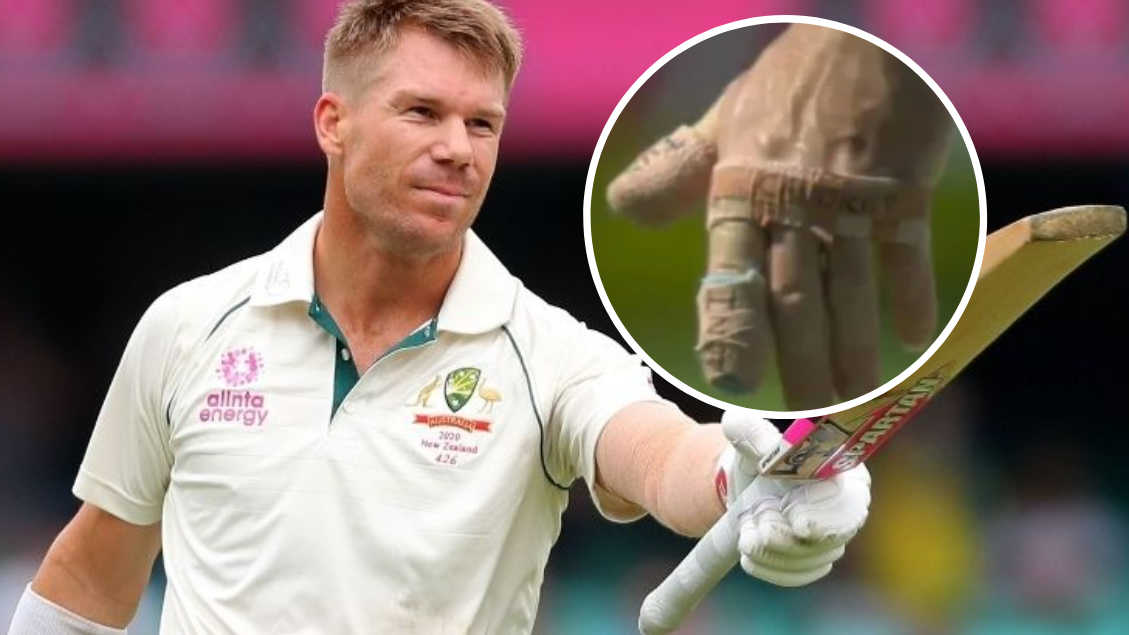
- Warner's finger tape sparked suspicion
- Langer and Paine shut down a tampering plot
- Eight of the XI were interviewed in 2018
- Identities will never be confirmed
- Marsh confronted Warner in team hotel
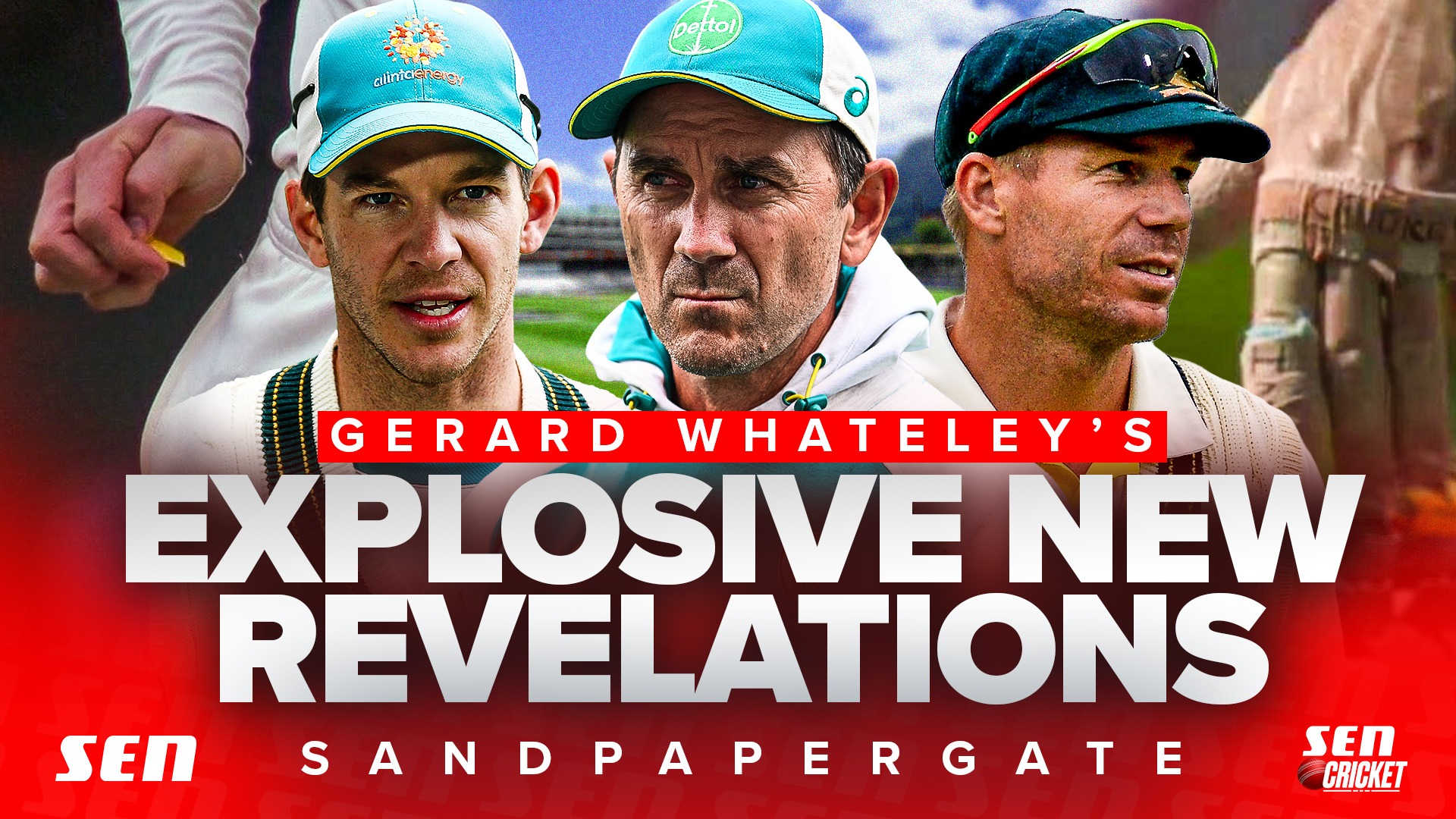
After almost three weeks of explosive claims, allegations and personal attacks relating to the 2018 Sandpapergate scandal, which has resurfaced in Usman Khawaja's memoir, Gerard Whateley provides an astonishing anatomy of the ball tampering saga that has forever left a stain on Australian cricket.
It includes details of a discarded finger wrap belonging to David Warner, found in a bin by South Africa which was then reported to Cricket Australia. It also recounts an attempted ball tampering scandal six months after Cape Town which was shut down by Justin Langer and Tim Paine.
As Cricket Australia revisits the sandpaper scandal, it has mistaken the search for answers and the gathering of facts, for the speaking of truths.
It has relied on the notion of multiple truths coexisting, no matter how contradictory, to obfuscate the pursuit of what transpired. Rigorous re-examination of the circumstances, weighing and testing testimony.
CA has continually deferred to an investigation that stands fatally flawed. Interviews that documented confessed lies, leading to findings that have been debunked.
There are people within Australian cricket who witnessed the events of South Africa 2018 and their aftermath, who have direct knowledge of what transpired.
There are questions they have never been asked.
If Cricket Australia asked these questions, rather than pushing responsibility back to the players and staff to come forward, this is the information they would uncover. The evidence could then be weighted, tested and probed.
This week, I have spoken to numerous key figures on the condition of anonymity. The full and frank testimony is included through direct quotes but remains unattributed to protect that anonymity.
All acknowledge the challenge of precise recall eight and a half years on. None claim to know everything.
THE EXPLODED TRUTHS
Prior knowledge of the ball-tampering incident was limited to three players – captain Steve Smith, vice-captain David Warner and Cameron Bancroft. No other players or support staff had prior knowledge – 2018.
All the evidence we have is that Cape Town was the first time that sandpaper had come out on the field – 2019.
These are the two standing statements from Cricket Australia resulting from the formal investigation of March 2018.
The organisation was misled by the evidence accrued.
“We were lied to. You feel a bit stupid.”
“Judgment was delivered on the basis this was a one-off desperate act.”
The current chief executive Todd Greenberg was asked last Wednesday whether he was concerned sandpaper had been used in any previous Tests.
At his press conference he replied: “I don’t know the answer to that question”.
The task is to find the answer to that question by gathering the facts. Not to search for mythical, perfect truths. Competing versions of events is not a unique proposition for an investigation. Allowing all versions to stand alongside each other untested would be unique.
THE INVESTIGATION
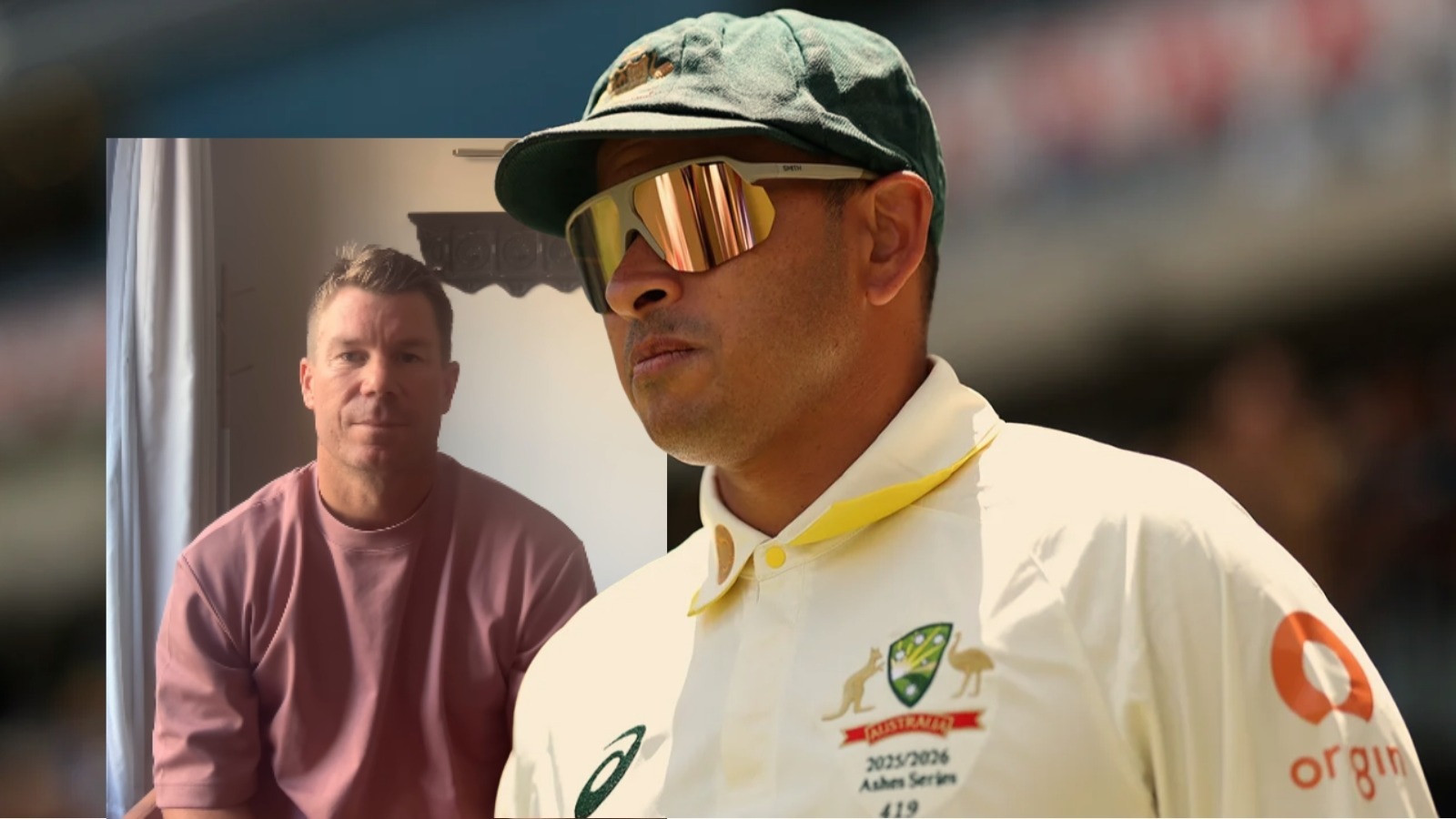
Iain Roy was the Head of Integrity at Cricket Australia, but not its lead investigator. That responsibility largely fell to Sean Carroll, the Head of Anti-Corruption. Through nearly 20 years as a senior police officer, before coming to sport, he had built a formidable reputation.
Carroll was in India at the time the Cape Town scandal erupted. He was not called upon nor deployed to carry out the most significant fact-finding mission since the John the Bookie episode that ensnared Shane Warne and Mark Waugh. This was a surprise to those that knew the inner workings of cricket’s investigative units.
“Typically, he (Carroll) had handled the major investigations given his experience and expertise in the area.”
“Did CA send the person they wanted to do the investigation? Yes, they did.”
Roy was dispatched to South Africa. His brief was tight. Specifically limited to the use of sandpaper on the field during the second session of day three at Newlands.
“It was a narrow investigation.”
“It was quite deliberate. What can be established as quickly as possible that has some integrity and robustness that allows an expedient outcome.”
“Roy’s review only focused on one particular incident. He had no powers to probe more deeply.”
“Incorrect, there were questions about other methods of ball management that might have been used in the past.”
Roy was accompanied by an experienced ICC Anti-Corruption Investigator who also asked questions.
He began his interviews before the CA Board even knew of his presence in Cape Town.
THE INTERVIEWS
There are differing recollections of the number of interviews conducted during the investigation. But from a touring party of about 30 including staff and players, it is known only eight of the Test XI were interviewed and very few staff.
CA now says eight of the playing XI were interviewed. From outside the team Peter Handscomb was also questioned.
Usman Khawaja, who sat next to Bancroft in the dressing room through the Newlands Test, was not called upon. Nor was Shaun Marsh.
Tim Paine was interviewed, which, by process of elimination, means Mitch Marsh was not.
Lacking in clarity is who on the coaching staff was interrogated beyond head coach Darren Lehmann.
Chadd Sayers wasn’t called in. He told SEN earlier this month: “Maybe because I was 12th man. Maybe because we knew too much information.”
At the time, some were left to wonder when the remainder of the touring party would be questioned. The view of all spoken to here is that all players and staff should have been interviewed.
Each interviewee was guaranteed anonymity. Their identities would never be confirmed and the transcripts never released.
Those with firsthand knowledge of the recordings and transcripts variously describe them as “adequate”, “perfunctory” and “quite strange”. “This wasn’t Rumpole of the Bailey or Perry Mason.”
“A more experienced investigator may have been able to extract more information with a different line of questioning.”
Notable was the consistency of the evidence and the impression that created.
“It was quite stilted and concise, too choreographed. This was the line according to the players.”
“There was a strict adherence to a party line that was being played out by those interviewed.”
“That’s the result of the player meeting in the hotel. Getting everyone’s stories straight.”
“People swore until they were blue in the face, sandpaper was never used before Cape Town.”
In some cases, general questions about previous “ball management” were asked. One source believes those questions were sufficient to have allowed players to tell the truth, for instance, about the use of sandpaper in Port Elizabeth.
Cameron Bancroft writes in his statement: “When I was questioned during Cricket Australia’s investigation, I did not give a complete and truthful account”.
THE SECOND TEST
Shock and anger met the revelation in Khawaja’s autobiography Sabr that Australia had used sandpaper in the second Test of the series.
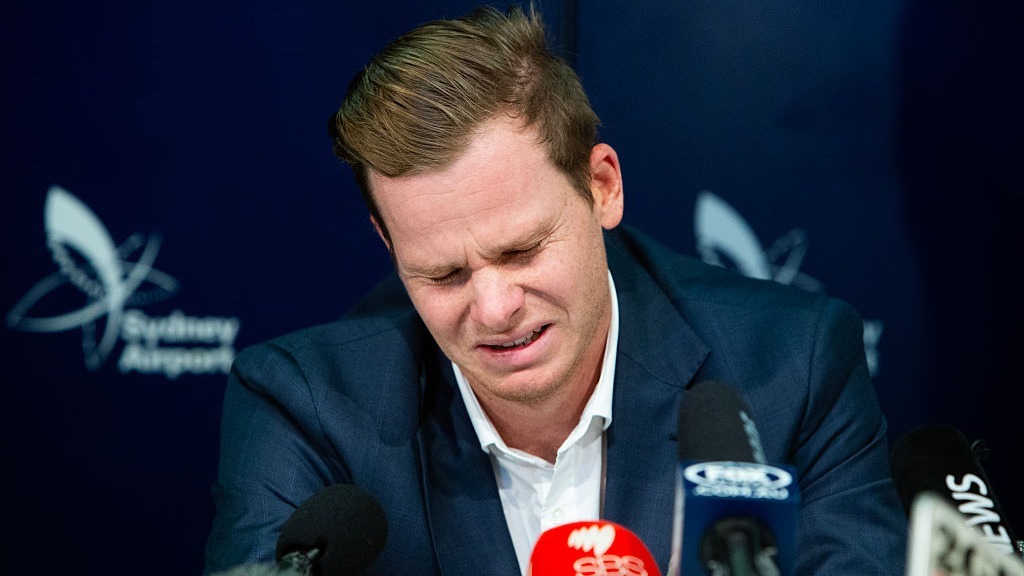
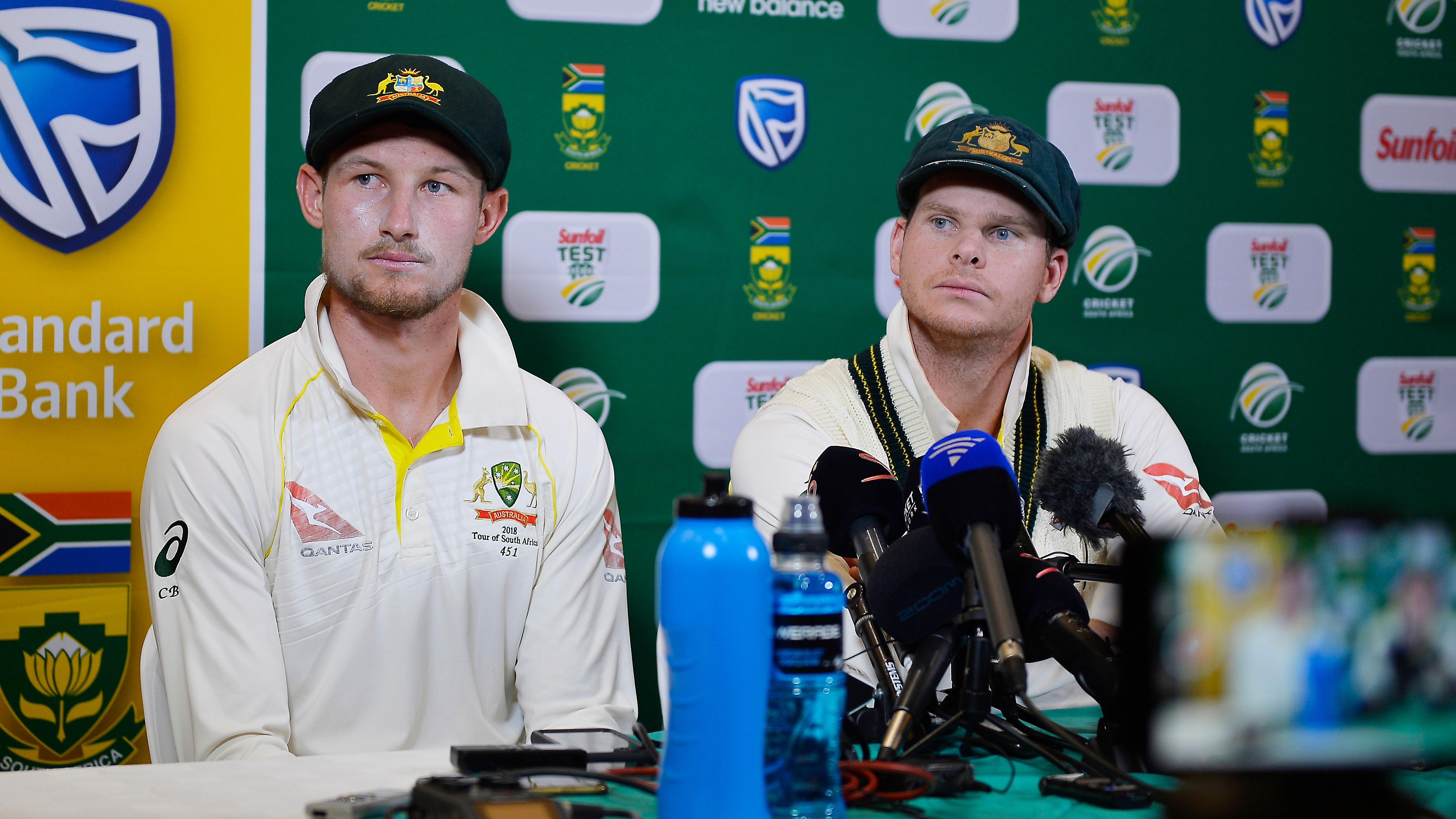
Most spoken to had faithfully believed the assertion, first voiced by Steve Smith at the ill-fated press conference: “I can promise you this is the first time it’s happened”. It wasn’t.
That press conference was staged against the specific advice of the Media Manager.
“There was an extraordinarily deep sense of denial. People had no grasp on the gravity of the situation. It’s hard to believe but illustrated the point that this playing group, over time, had become a law unto themselves. Everything could be explained away.”
The one person who was listened to, was the one person who should have been ignored. Bowling coach David Saker.
Bancroft recently alleged that Saker told him not to tell the truth regarding sandpaper.
Knowing that sandpaper was used in the second Test recast moments that hadn’t been comprehended in real time.
Such as Warner’s enraged demand to see match referee Jeff Crowe during a lunch break early in the Test. He was aggressive and insistent that a meeting be arranged, storming into Crowe’s office complaining that every time he looked up, he was on the big screen.
This was the precursor to Warner’s declaration he couldn’t use the sandpaper because he was being watched.
“The locals were excited to make a discovery regarding Warner’s methods of ball management. That information was shared between the team and the broadcaster. They were all over him.”
One source says the South African team had discovered Warner’s finger and thumb strapping discarded in a bin. Another says strapping was recovered from the field by grounds staff and handed to match officials.
In a scene worthy of the OJ trial, an ICC representative wanted to try the taping on Warner’s digits to see if it fit. That request was rebuffed.
Some time later, an ICC source informed a senior official at Cricket Australia that the strapping contained a mix of super glue and grit.
But there were only suspicions as to whom it belonged and both teams claimed it was the other.
The other red flag missed was Bancroft’s question to media manager Kate Hutchison: “What would happen if I got caught using sandpaper on the ball?”.
That exchange rippled up the chain but was overlooked for just how random and odd it sounded.
On reflection, and with the benefit of hindsight, the vibe surrounding such moments is described as, “It’s better off you don’t know”.
Bancroft revealed the full extent of his ball tampering with the sandpaper writing: “This was an act I did nearly every over the whole last session on that day to begin with and then for the remainder of that Test match, up until I was caught in the Third Test in Cape Town.”
THE DARK ARTS
Australia had its techniques in the global ball tampering arms race. It’s now referred to, without a hint of irony, as “business-as-usual tampering”.
“Ball tampering without sandpaper had been going on for a good period of time.”
“There’s clearly a gradual build-up and a sense of confidence that leads to this.”
“Ball management had escalated over a period of years. It was a war in South Africa. The Australians were convinced the locals were using super glue on shirts and wicketkeeping gloves. It became a race to get in front of each other.”
Each source spoken to alleged bowling coach David Saker as the architect of the overall ball management.
Saker has not responded to requests for comment about the sandpaper incident since the issue resurfaced.
Who else knew prompted Australian cricket’s civil war.
“Simply and bluntly, it is implausible that the bowlers did not know and that more people didn’t know. What was put forward is proven to be incorrect. More people knew.”
“I don’t know if the whole team knew. But you’d be quite naive to think a significant portion didn’t know.”
So ingrained were the practices of ball management, there’s a corroborated story about Australia’s next Test match in Dubai six months later.
As Pakistan’s first innings stretched on and Australia strived to get the ball off the straight, a player asked: “Who’s got the mints? Who’s doing the ball today?”. He was sternly rebuked by a new member of the team: “You’re fucking kidding me. We’re not doing that shit again.”.
Yet a substitute fielder was sent to rummage through bags in the change room.
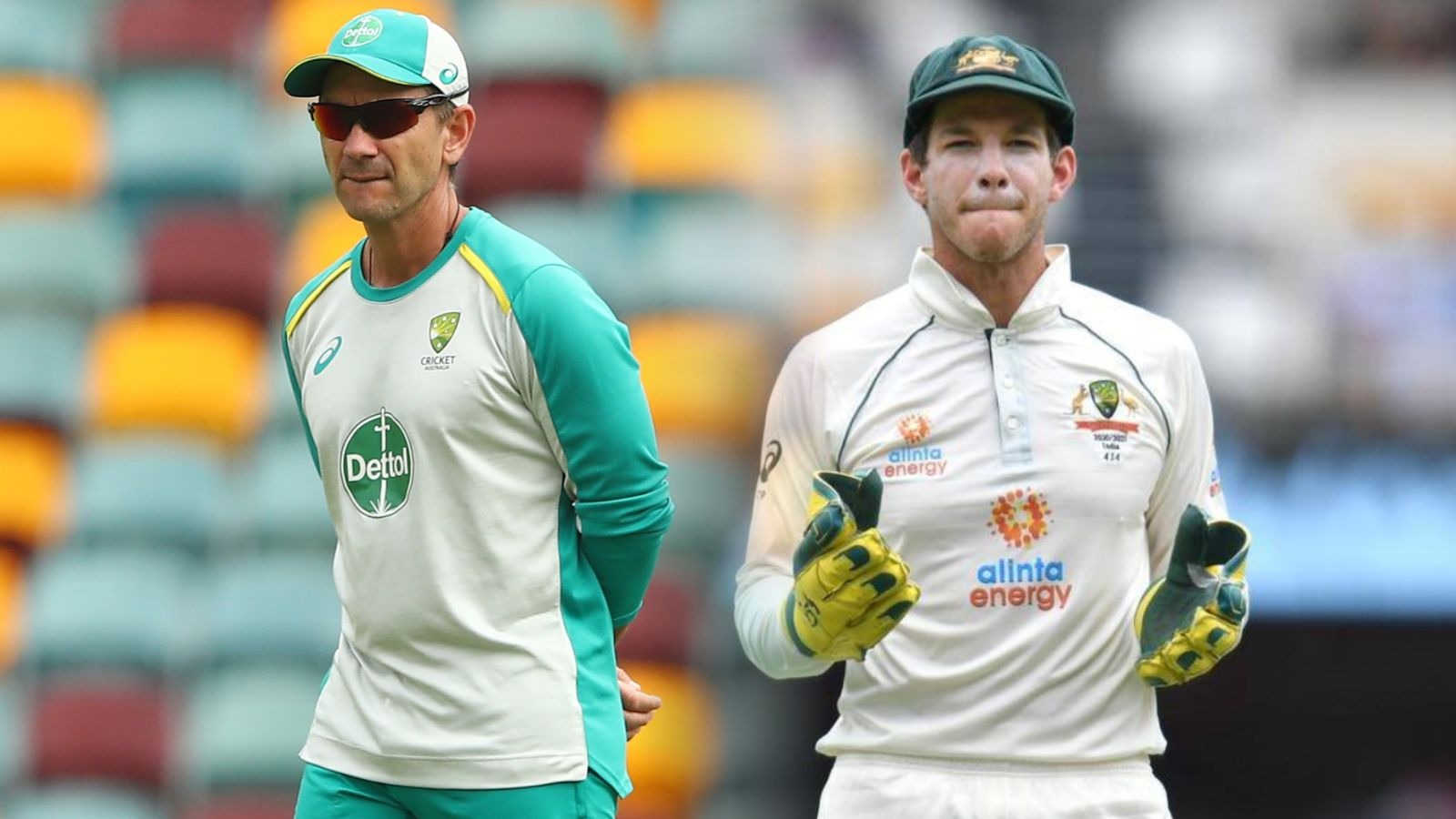
Now permanent captain Paine recognised what was happening and waved the player off, gesturing that he return to his seat and not enter the field of play. That is when new coach Justin Langer intervened.
Australia was so sensitive about optics heading into the series that the team had resolved not to have lollies on the field at any stage, not even at drinks breaks. “It’s a shit look going forward for our team.”
But the long-term normalised nature of ball management was a habit hard to break.
At the end of the day’s play Langer tore strips off the group. At the peak of his anger, he grabbed a baggy green and wiped it on his backside to illustrate what he thought the players were doing to Australian cricket.
It was an emotional outpouring, triggering for some in the dressing room.
Paine later spoke to the staff, many of whom had been with the team at Cape Town, to reassure them he would never allow mints or lollies to be used on the ball on his watch.
The dark arts of ball tampering ended that night on Langer and Paine’s watch.
COLLECTIVE RESPONSIBILITY
Back in Cape Town in 2018, the team was facing up to their gotcha moment. Interim captain Paine immediately revealed himself a natural leader and sought to hold the team together as they pondered the question: Who would take the blame?
“These were team gatherings under the microscope as soon as it happened. Not the sort of thing you forget.”
It was documented at the time and revisited before Khawaja refreshed memories.
It resides in my notes from the time - one player expressed the view, “What are they going to do, sack us all?”.
On air, I ridiculed the naivety, “Yes, they might very well have sacked you all”.
According to those present, there were, in fact, two significant discussions. The first took place in the change rooms at Newlands.
The staff and the players separated into the two sections of the oddly constructed rooms.
On the staff side there was anger toward Lehmann and Saker demanding to know how it had happened.
At one point in the players meeting, Paine and Team Manager Gavin Dovey were seen on the adjoining balcony with Warner, who didn’t see any reason why he should take responsibility. He was not yet implicated.
“You had Bangers trying to eat the whole grenade. You had Steve with good intent trying to halve that. And you had Davey whistling his way down the corridor.”
The second gathering was a players-only meeting back at the team hotel. This is most memorable for the typically genial Mitch Marsh confronting Warner.
“The story reverberated around the hotel. Bison had gone really hard at Davey.”
It left a lasting impression on some of those present and had the desired outcome.
“Much to Davey’s chagrin, he was forced into stepping up and sharing the blame. ‘You can’t dodge this one mate, we’re not having Bangers take the fall for you’”.
“Warner’s response was, ‘I’ll take the blame but I’m not taking the full brunt of it’.”
That hotel meeting in Cape Town was the last time the team was together.
From those meetings comes the discussion of collective responsibility. Khawaja writes that two players were known to be opposed to the notion. Those players are understood to be Josh Hazlewood and Nathan Lyon.
Hazlewood denied this when asked about it by this masthead last week.
There is, however, a differing account. The four bowlers, including Mitch Starc and Pat Cummins, gathered in one of their hotel rooms and made their stand known to team management: “F**k Davey, we are not going down for that guy”.
It drew permanent battlelines.
THE SANCTION SHOCKWAVE
The environment of the time is critical to understand the context.
The Australian players were considering the ball tampering charge only through the lens of the ICC sanction framework. They believed the worst result for their colleagues would be a one Test match suspension or a fine. One of the central arguments was to let the ICC deal with it.
“There was an underlying assumption of what sanctions would look like. No one in their worst nightmares could have foreseen what the penalties would be.”
“There was a resolve: I’ll take my share of the pain – but no concept of what that pain would be.”
That reality didn’t hit until Smith, Warner and Bancroft were served with the Charge Sheet by Cricket Australia. Each was faced with the choice to accept the charge and the hefty sanction.
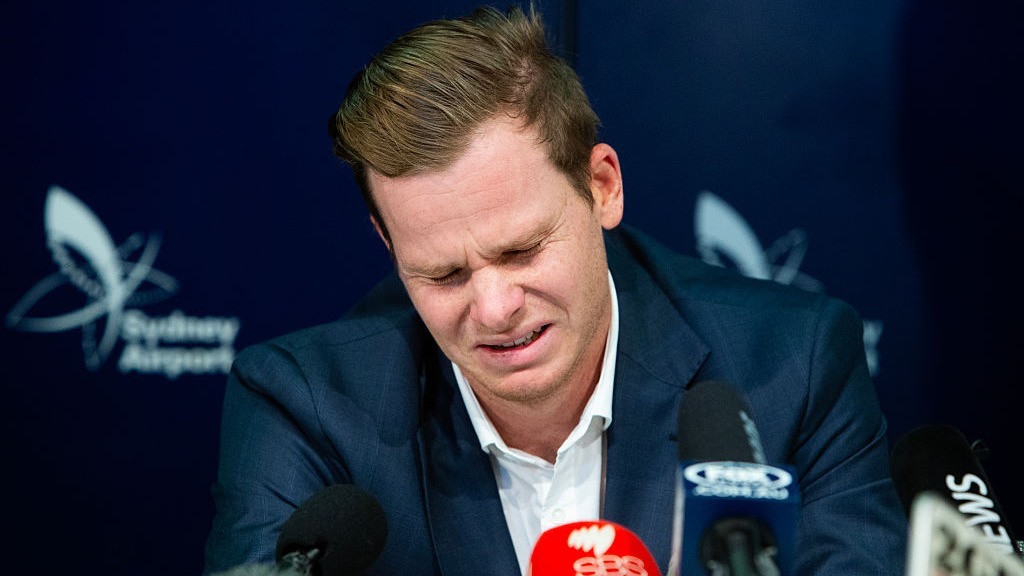
Smith and Bancroft did so quickly. Warner waited until the last day before also folding.
“No brief of evidence is included with the Charge Sheet. That’s not how the process works.”
“People forget the suspensions weren’t just for ball tampering. They were for lying to the umpires and lying at the press conference. Had it been known they had lied to the investigation, the punishment would have been worse.”
The shock was profound. Those involved describe a mix of trauma, anger, disbelief and fear, mixed with concerns over self-preservation, livelihoods, careers and reputations. One word repeats: shame.
“There was concern about suicide for staff members. People were not in a good place. That became the focus. Helping people get through the day, get to the next day, get to Wednesday to get on a plane.”
Resentment set in once sections of the team distanced themselves entirely from the episode.
In the initial press conference, Smith had cited the “leadership group”.
Cricket Australia’s finding narrowed that to three players only and the “leadership group” was never referenced again.
The notion of a Leadership Group was publicly vague but in the pre-tour documentation for South Africa it was listed as Warner, Starc and Hazlewood.
Whether that’s who Smith was referring to at the time remains unclear.
In June 2018, Starc stated, at a women’s finance forum, that he was angry at being drawn into the scandal by the press conference reference to the “leadership group” saying it had caused division within the team.
At the same time Hazlewood disavowed all knowledge of sandpaper during his appearance on The Back Page.
These denials preceded the collective statement of 2021, seminal to the butterfly effect.
Cummins, Starc and Hazlewood have all reaffirmed they did not know about the sandpaper in separate interviews since this scandal resurfaced.
Warner has hinted that his pent-up emotions owe to the fact not one of his former teammates ever addressed the magnitude of the consequences that none foresaw.
“The heart of the issue is Davey wants vengeance for what he feels is people who have gone on to have fantastic, unblotched careers. He can’t let go.”
THE LINGERING DOUBTS
Cricket Australia invested heavily at the point of reintegration as the suspensions of Smith and Warner elapsed. The central figure managing the dynamic of the team was the universally respected Belinda Clark.
A year on, there were whispers and scuttlebutt that suggested all of what transpired at Cape Town had not been uncovered.
When the team came together and during one-on-one conversations, the players and staff were given the opportunity to say more.
“All had had the opportunity to reflect and there was encouragement on numerous occasions to tell their version of the truth.”
A whistleblower hotline was also established for anyone who wanted to provide information anonymously.
That initiative garnered no fresh information.
“The silence prevailed. It reeked of a cover-up.”
“I can’t imagine a player ever using a hotline. They’re too distrusting. They’re too cynical. It’s an easy thing to put forward and say we’ve met our responsibility. It’s on you now. Which was heard a lot.”
A fresh administration set about rebuilding the reputation of the sport, the organisation and the team.
“The focus moved to what we wanted to achieve. We didn’t want to drag that back down by regurgitating the past. By and large, I think it worked.”
PUBLISH AND BE DAMNED
The public peace was interrupted briefly when, an unprepared Bancroft told The Guardian in 2021 the question of the bowler’s knowledge was “self-evident”. Starc, Hazlewood, Cummins and Lyon went to the mattresses with a statement that began, “We pride ourselves on our honesty”.
“What was needed was a greater level of admission, rather than categoric denials.”
“It was dangerous because, read a certain way, it actually confirmed you knew that we were tampering, you just didn’t know about that one specific moment.” It entrenched the divide and tore at the fabric of the team.
Paine and Aaron Finch, the red and white ball captains, were called upon to step in and sort it out as players publicly and privately feuded.
Five years on, Khawaja published Sabr and plunged the sandpaper crisis back to the original tumult.
Incumbent Chief Executive Todd Greenberg pre-emptively ruled out re-opening the investigation.
“We don’t see any compelling reason to open the investigation or revisit this again,” Greenberg said on SEN. “I don’t think there’s anything that can be gained from that.” By his own admission, Greenberg was yet to read Chapter 17 of Sabr. He had re-read the transcripts of the Roy investigation.
Cricket Australia again relying on a report, the findings from which have come under intense scrutiny and criticism.
Cummins was unsparing in his clinical takedown of Khawaja aimed at putting a full stop to the building crisis.
But Sayers, the reserve bowler, told the same story as Khawaja two days later.
“That was instructive. He’s the least important person in the room. He’s got nothing to gain or lose.”
Bancroft felt so betrayed by the Cummins press conference that he published his account sharing his distress: “It made me feel angry, betrayed and alone”. The stakes are high.
“At the beginning, the methodology was to protect the brand and protect the people. Now there are too many smoking guns.”
“In that era there had always been a split, but there was respect and some trust. After the events of Cape Town the trust and respect was gone. It’s a long way back from there and no one is giving any ground.”
The issue of speaking up is not simple in the cricket microcosm.
“You can’t speak openly without feeling a sense of betrayal. You’re part of a system and there’s people you care about, who you don’t always agree with, but you don’t ever want to feel like you’re selling that out.”
It requires personal courage and faith that those in authority will act suitably.
“No one wants to be the catalyst for keeping this going but there are a group of people that witnessed what we witnessed and it’s not right. It takes great courage for anyone willing to speak openly about it.”
It’s an invidious position for Cricket Australia, dealing with the unanswered questions of its own past.
“Did we do all that was required? To be here now, suggests we could have done more.”
That time has revisited and it is tearing the game apart. Having been selective in the past, the time has come to ask all the questions.